10 Elementor Alternatives That Actually Empower Your Brand - Smarter Picks for 2026
Published November 28, 2025Reading time: 10 min
Elementor helped you start, but in 2026, brands need more speed, cleaner code, and fewer dependencies. These alternatives give your team true creative and operational autonomy.
Quick Take
Many brands are moving past Elementor as they look for faster, cleaner, and more scalable design platforms.
Tools like Webflow, Squarespace, Wix Studio, and Framer deliver smoother workflows with fewer plugins and far better performance.
These Elementor alternatives give creative teams more control, letting designers and marketers ship pages without technical friction.
High-growth brands are choosing platforms that remove clutter and offer modern design systems, reusable components, and cleaner code.
Creative Corner helps teams shift from Elementor to Webflow so they can move quicker, design smarter, and scale with confidence.
Let's be honest: If you're searching for Elementor alternatives, you're not looking for more WordPress plugins; you're looking for an exit strategy.
We get it: Elementor was the visual revolution that made WordPress accessible to millions. It made web design less about code and more about creativity. But fast-forward to 2026, and brands aren't just chasing good design anymore; they’re chasing speed, scalability, and freedom.
Elementor remains powerful, but it’s still WordPress-heavy.Every plugin update, every bloated line of code, every "wait, why did my header disappear?" moment chips away at your time and your brand consistency.
Today’s teams need more than drag-and-drop. They need platforms that empower designers, marketers, and developers to move faster without stepping on each other’s toes.
So, we rolled up our sleeves and built a smarter list, one that goes beyond the usual suspects. These are the 10 Elementor alternatives built for brand empowerment, tools that put you, not your CMS, in the driver's seat.
Elementor promised freedom, but scaling brands know the truth. Connecting HubSpot forms, tweaking Core Web Vitals, or adding a custom post type still needs a developer. Every “quick fix” turns into another ticket, and campaign timelines slip. If your builder needs code for basic marketing tasks, it’s quietly draining your ROI.
Plugin clutter compromises speed and security.
WordPress builders thrive on add-ons. Elementor covers design, but you still need plugins for pop-ups, caching, SEO, and analytics. That stack creates code bloat and opens security gaps with every update. Smart brands are switching to unified platforms where performance and protection come standard.
Design teams crave agility without technical barriers.
Creative teams weren't hired to wrestle with wrappers and containers; they were hired to craft compelling digital experiences. Elementor gives visual control, but not structural clarity. Modern platforms use global components, cleaner class systems, and built-in animation tools, letting designers build once and scale beautifully.
Marketers want self-service CMS updates and built-in SEO power.
A website isn’t a brochure. It’s a growth engine. In Elementor, content editing happens in a separate interface, making quick updates clunky. And while SEO plugins help, the code is rarely clean. Modern platforms integrate CMS, design, and SEO in one place so marketers can publish, optimize, and scale without waiting on developers.
Which New Tools Give Creative Teams More Control?
The web has outgrown patchwork design. Creative teams are no longer content with juggling plugins, hosting, and third-party tools just to publish a page. They want platforms that feel cohesive - design, performance, and collaboration working in one rhythm.
1. Platforms that Combine Design, Performance, and Autonomy
The new generation of visual site builders gives teams creative freedom without the trade-offs.
They merge design precision with technical reliability, producing fast, clean code that scales easily.
For creative teams, that means fewer dependencies and far more control over every pixel.
2. SaaS Ecosystems with Built-In Hosting and CMS
Modern no-code platforms take the heavy lifting out of web management.
With design, CMS, and hosting integrated, brands can build and publish faster while keeping performance consistent.
It is design freedom and technical stability rolled into one — the smarter path forward for teams tired of maintenance mode.
3. WordPress Builders That Fix Performance and UX
Not every brand is ready to leave WordPress, and that is fine.
A new class of WordPress builders is closing the gap with faster code, cleaner interfaces, and improved UX.
They deliver the structure and speed that Elementor users have wanted for years, making WordPress feel modern again.
Ready to Upgrade Your Team’s Creative Workflow?
Let’s talk about building faster, cleaner, and more flexible websites without plugin chaos.
H2: Quick Comparison: 10 Best Elementor Alternatives for 2026
Before we dive deep into why each platform earned its rank, here is your essential cheat sheet. Scan this table to immediately identify which strategic ecosystem best aligns with your brand's growth goals. Use this site builder comparison to find the platform that fits your goals.
Rank
Platform Name
Core Strategic Advantage
🥇 1
Webflow (SaaS / Visual Dev)
Ultimate Autonomy & Performance
🥈 2
Squarespace (SaaS / Managed)
Worry-Free Aesthetics
🥉 3
Wix Studio (SaaS / Cloud-Grid)
Accessible, Pro-Level Design
4
Framer (SaaS / Design-to-Live)
Instant, interactive storytelling
5
Bricks Builder (WordPress Builder)
Performance-first architecture
6
Oxygen Builder (WordPress Framework)
Developer-grade precision
7
Divi Builder (WordPress Builder)
Design + data optimization
8
Thrive Architect (WordPress Builder)
Built for conversions and funnels
9
Breakdance (WordPress Builder)
Modern UI with leaner builds
10
Kadence Blocks (Gutenberg Suite)
Lightweight, Gutenberg-native
🥇 1. Webflow - The Design & Performance Gold Standard
Platform: SaaS (independent, all-in-one)
Core Value: Total creative freedom and scalability without technical friction
Why Brands Choose It: Webflow merges design, CMS, and hosting in one powerful visual development platform. It lets creative teams design, build, and publish independently, combining developer-grade precision with the speed and flexibility of no-code creation.
Best For: Agencies, scaling brands, and design-led teams that want to move fast without sacrificing quality
Limitations: Slight learning curve for non-designers; higher initial setup time compared with template-based builders
Brand Empowerment Verdict: The future-proof choice for brands ready to scale design, performance, and content velocity in one unified platform
Webflow redefines what “website builder” means. It generates clean, semantic code automatically, giving teams performance scores that rival hand-coded sites. The visual canvas maps directly to real HTML and CSS, so design precision and technical integrity finally live in the same place.
It’s a platform built for autonomy. Designers control structure, animations, and layouts visually. Marketers update content directly on the live site. Developers focus only on what’s custom or strategic. Everything else like CMS, hosting, and security runs seamlessly behind the scenes.
👍 Pros
True visual development with clean, production-ready code
Built-in CMS, hosting, and SEO tools — no plugins required
Exceptional design flexibility and performance out of the box
Ideal for cross-functional teams and rapid page launches
⚠️ Consider If...
Your team has limited design experience or prefers preset templates
You manage ultra-large enterprise systems requiring custom backend logic
Brand Empowerment Verdict
Webflow is the platform you grow into, not out of. It gives designers full control, marketers intuitive publishing, and leadership measurable performance. For 2026, it represents the smartest exit from plugin maintenance into a modern, scalable stack.
At Creative Corner, our Webflow Development Services take this even further. We structure your build for long-term scalability, ensuring your design system and SEO foundation grow together from day one.
Want to See What Webflow Can Really Do for Your Brand?
Let’s map out a Webflow setup that finally keeps up with your ideas, not the other way around.
Core Value: Effortless beauty and all-in-one simplicity
Why Brands Choose It: Squarespace offers a clean break from the plugin chaos. Its polished templates, built-in marketing tools, and managed hosting make it ideal for brands that want design consistency without developer oversight.
Best For: Visual brands, small businesses, solopreneurs, and creative professionals
Limitations: Limited CMS flexibility and custom functionality; less scalable for complex or enterprise websites
Brand Empowerment Verdict: A refreshing alternative for teams who loved Elementor’s design control but are done patching plugins and debugging updates.
Squarespace is still the gold standard for simplicity that looks good. For brands that want a professional website that “just works,” it delivers elegance and stability straight out of the box. It’s not built for deep technical customization, but for pure, visual polish, it’s a reliable escape from the WordPress maintenance loop.
👍 Pros
Elegant, professionally designed templates out of the box
All-in-one system with built-in hosting, CMS, and analytics
Minimal maintenance and automatic updates
Stable, secure, and beginner-friendly
⚠️ Consider If...
You need advanced CMS or API integrations
Your brand requires full design system customization
You plan to scale into a complex e-commerce or content model
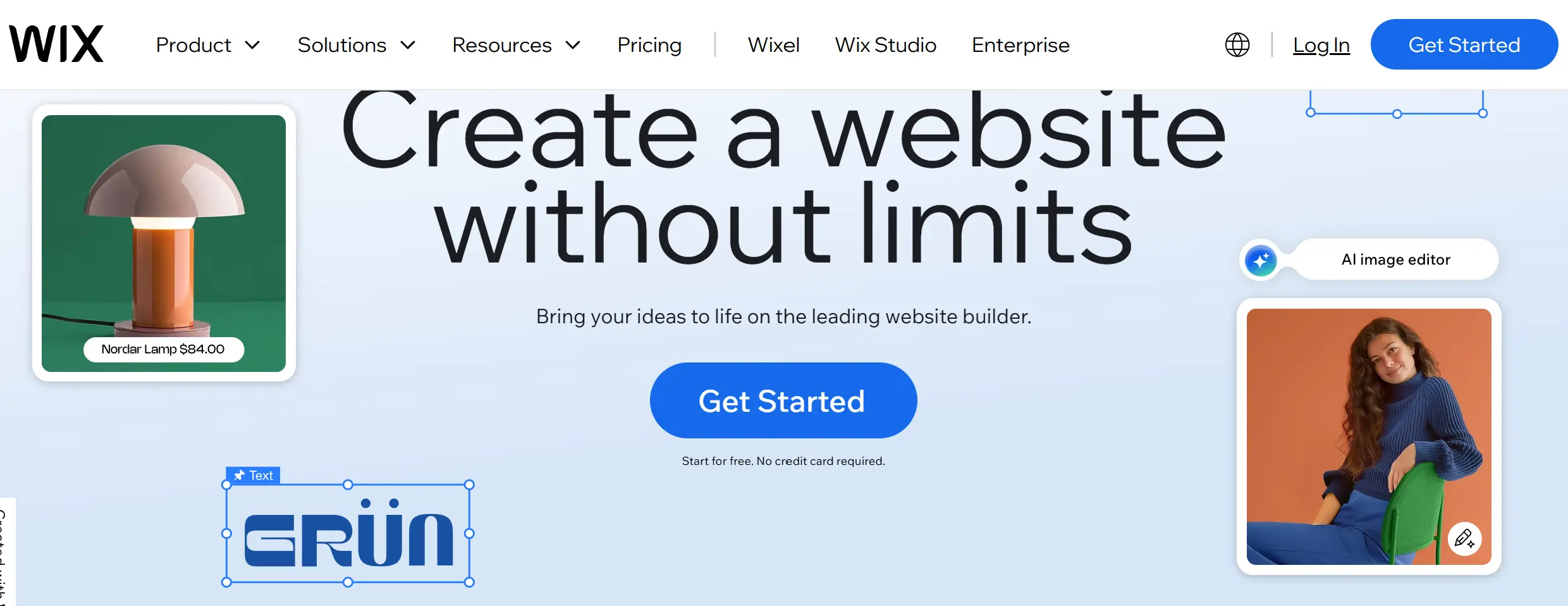
🥉 3. Wix Studio (formerly Editor X) - The Beginner-to-Pro Scaler
Platform: SaaS (cloud-based, grid design system)
Core Value: A smoother drag-and-drop experience for teams who outgrew Elementor’s clutter
Why Brands Choose It: Wix Studio blends ease of use with professional flexibility. Its responsive grid, team collaboration tools, and integrated marketing stack give design teams the freedom of visual editing without the plugin overhead.
Best For: Freelancers, creative studios, small agencies, and marketing teams managing multiple brand sites
Limitations: Limited scalability for complex databases or enterprise CMS use; heavier interface for large projects
Brand Empowerment Verdict: A smart choice for teams that loved Elementor’s creativity but want a cleaner, faster environment
Wix Studio marks a major leap from the old Wix builder. It introduces structured grid design, smoother workflows, and collaboration tools that make it feel like a true professional system. For teams stepping up from Elementor’s complexity but not ready for full-scale development platforms, it’s the perfect middle ground.
👍 Pros
Intuitive, responsive grid layout for precise design control
Multi-user collaboration and reusable components
Integrated analytics, CMS, and marketing automations
Streamlined handoff and client management tools
⚠️ Consider If...
You manage complex databases or need API-level integrations
Your projects rely on deep custom code or backend logic
You require performance optimization for large-scale content builds
4. Framer - The Interactive UX Showcase
Platform: SaaS (no-code, design-to-live system)
Core Value: Motion, storytelling, and conversion-ready experiences
Why Brands Choose It: Framer appeals to designers who loved Elementor’s animation freedom but want real performance behind it. It turns high-fidelity design files into live, production-ready websites — fast, responsive, and beautifully interactive.
Best For: Design-led startups, creative agencies, marketing teams focused on immersive brand storytelling
Limitations: Not built for large CMS-driven websites or complex backend structures; integrations still catching up
Brand Empowerment Verdict: The go-to platform for brands that want to show rather than just tell, when design is the core differentiator.
Framer transforms static design into living, breathing UX. It gives creative teams full control over animations, scroll effects, and micro-interactions, all in a clean no-code environment. For brands chasing distinct, high-performing visual experiences, it’s one of the most exciting next steps beyond traditional WordPress builders.
👍 Pros
Real-time visual editing with high-control design flexibility
Built-in hosting, CMS, and SEO tools—no plugin patching
Powerful animations and micro-interactions out of the box
Streamlined handoff from design to live site
⚠️ Consider If…
You manage large, data-heavy websites
You need extensive integrations or custom database logic
You rely on complex CMS structures and enterprise-level scaling
5. Bricks Builder - The Performance-First Framework
Platform: WordPress Builder (self-hosted)
Core Value: Speed, structure, and developer-grade control
Why Brands Choose It: Bricks Builder is the WordPress alternative for teams who crave clean code and optimized performance without sacrificing flexibility. It generates lightweight markup, supports dynamic data, and lets designers build fast, responsive layouts directly in the browser.
Best For: Developers, technical marketers, and WordPress pros who want maximum efficiency with minimal bloat
Limitations: Steeper learning curve for non-technical users; plugin-dependent for advanced marketing features; less beginner-friendly than visual SaaS builders
Brand Empowerment Verdict: A precision tool for those who want full control inside the WordPress ecosystem — lean, fast, and technically rewarding.
Bricks Builder is the quiet powerhouse of the WordPress world. It trades flashy templates for efficiency — a framework that values speed over spectacle. Brands that love WordPress but hate its lag find comfort here: clean architecture, minimal dependencies, and a front-end experience that finally feels modern.
👍 Pros
Exceptionally fast performance and lightweight code output Dynamic data support and advanced theme-building tools
Developer-friendly with flexible customization options
One-time license — no recurring SaaS costs
⚠️ Consider If…
Your team prefers visual drag-and-drop interfaces
You rely on plug-and-play marketing integrations or automation
You want a fully managed hosting environment without technical upkeep
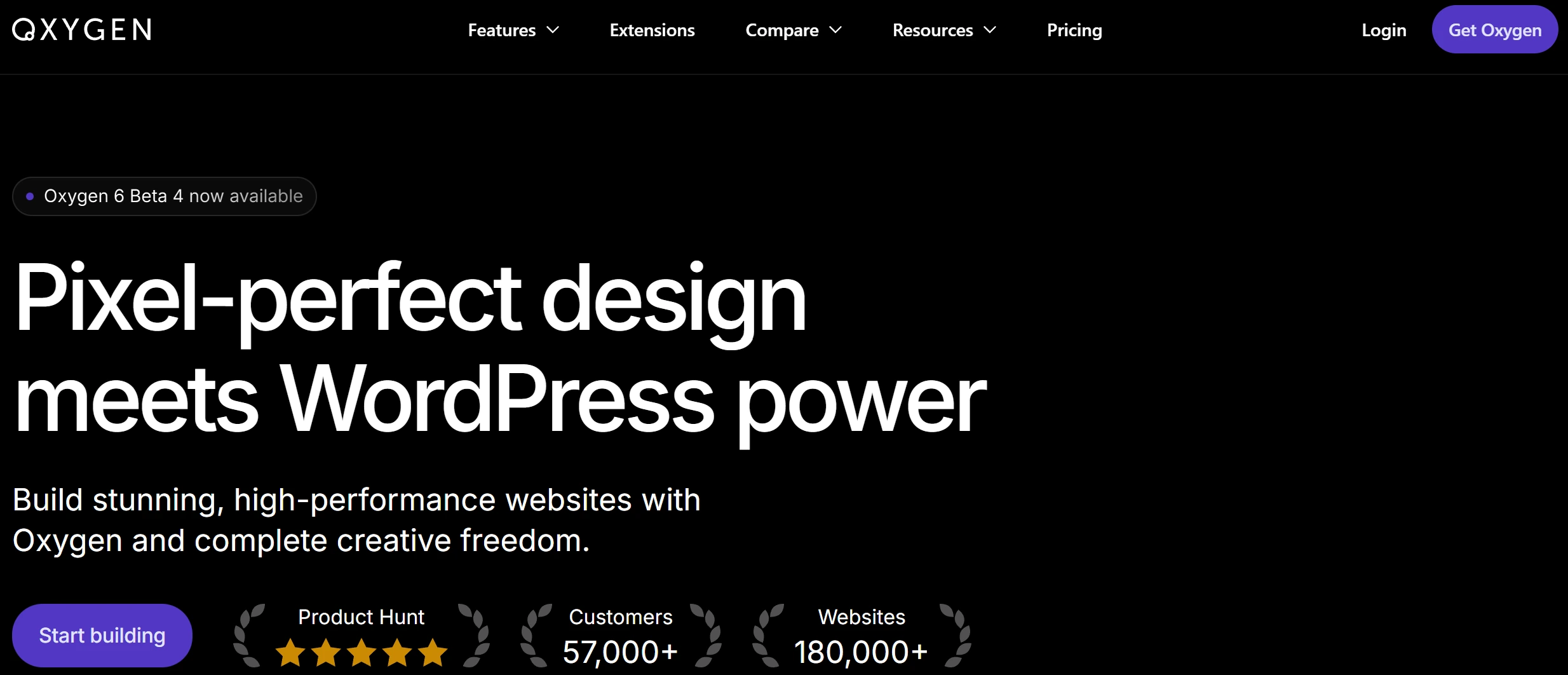
Core Value: Complete visual control with developer precision
Why Brands Choose It: Oxygen Builder gives creators the power to design every pixel and every query. It replaces the WordPress theme layer entirely, letting technical teams build fully custom templates, dynamic layouts, and reusable components, all within a single visual interface.
Best For: Developers, technical marketers, and performance purists who want full-stack control inside WordPress
Limitations: Complex for beginners; steeper learning curve; limited collaboration tools for larger, non-technical teams
Brand Empowerment Verdict: A powerhouse for technical teams who treat websites like engineered products, not just design assets
Oxygen remains the framework of choice for those who want to bend WordPress to their will. It strips away theme limitations and plugin clutter, leaving only raw power like speed, flexibility, and deep customization. While not built for drag-and-drop simplicity, it rewards precision and technical fluency with clean, stable builds that perform flawlessly.
👍 Pros
Full visual control over templates, structure, and layout
No dependency on WordPress themes
Optimized for speed and clean code output
Ideal for developers and advanced technical teams
⚠️ Consider If…
You prefer a low-learning-curve, design-first builder
Your marketing team needs a simple CMS interface for daily updates
You want managed hosting or built-in collaboration tools
7. Divi Builder - The Conversion Powerhouse
Platform: WordPress Builder (theme and plugin)
Core Value: Design flexibility with integrated marketing and testing tools
Why Brands Choose It: Divi gives marketing teams control over both design and data. Its visual editor, A/B testing, and dynamic content features make it a practical choice for brands that want to continuously optimize user experience and conversion rates.
Best For: Marketing teams, freelancers, and small agencies managing content-driven or campaign-based websites
Limitations: Heavier performance load on large builds; shortcode dependency can affect long-term maintainability; requires regular updates for optimal speed
Brand Empowerment Verdict: A balanced choice for marketers who value creative control and measurable performance within the WordPress ecosystem.
Divi remains one of the most established WordPress builders for a reason. It combines easy visual design with serious marketing functionality. The built-in split testing, templates, and customization options help teams ship pages faster and iterate based on performance insights. While it may not be the most lightweight builder, its accessibility and marketing focus keep it relevant for brands that prioritize results over raw code purity.
👍 Pros
Built-in A/B testing and conversion tracking
User-friendly drag-and-drop visual builder
Large library of pre-designed layouts and templates
Strong community support and ongoing updates
⚠️ Consider If...
You manage high-performance, content-heavy sites
You prefer cleaner code output and faster page speed
You want to reduce dependency on WordPress maintenance
8. Thrive Architect - The Lead Generation Specialist
Platform: WordPress Builder (plugin-based)
Core Value: Conversion-first design for marketers who live in funnels and landing pages
Why Brands Choose It: Thrive Architect focuses on action. Every feature is built to drive sign-ups, sales, and engagement. From drag-and-drop landing page blocks to integrated opt-ins and scarcity timers, it helps marketing teams create high-converting pages without external tools.
Best For: Digital marketers, solopreneurs, and small businesses focused on lead generation and direct-response campaigns
Limitations: Limited design flexibility; less suited for complex, multi-page websites; requires additional Thrive Suite tools for full automation
Brand Empowerment Verdict: A specialized tool built for marketers who care less about “pretty” and more about performance
Thrive Architect continues to lead the conversion-focused builder category. It’s not about aesthetics - it’s about results. For teams running webinars, launches, or recurring campaigns, it's built-in conversion modules and ready-made templates turn ideas into live pages fast. It may lack the design freedom of other builders, but for marketers who measure success in leads, not layouts, it’s a standout.
👍 Pros
Optimized for landing pages and lead funnels
Pre-built conversion elements (forms, timers, testimonials)
Seamless integration with major email marketing platforms
Intuitive interface for non-technical marketers
⚠️ Consider If...
You need full creative freedom or deep design control Your site relies on advanced CMS structures
You want to avoid using multiple plugins from the same ecosystem
9. Breakdance - The Intuitive Next-Gen Builder
Platform: WordPress Builder (plugin-based)
Core Value: Modern design experience with lean performance
Why Brands Choose It: Breakdance offers a fresh, lightweight alternative for WordPress users who want a sleek interface, fewer plugins, and faster builds. It simplifies the design process with global styles, reusable elements, and a smooth front-end editor that feels current and efficient.
Best For: Freelancers, agencies, and small teams who want a fast, reliable builder without the clutter of older WordPress ecosystems
Limitations: Relatively new in the market; smaller community and integration library; limited long-term data on scalability
Brand Empowerment Verdict: A promising, forward-thinking builder for teams who want simplicity, speed, and a cleaner WordPress experience
Breakdance has quickly earned a reputation as the WordPress builder that finally feels modern. It focuses on clean output, intuitive UI, and fewer conflicts, a refreshing change for those tired of plugin bloat. For smaller teams or independent creators, it brings agility and a polished design workflow that keeps projects moving without heavy technical overhead.
👍 Pros
Lightweight, fast, and easy to learn
Clean, modern interface with global design controls
Built-in animations, forms, and theme-building tools Minimal plugin dependency for smoother maintenance
⚠️ Consider If...
You rely on a large ecosystem of third-party integrations
You prefer mature tools with established communities
You manage complex, multi-site infrastructures
10. Kadence Blocks - The Native WordPress Future
Platform: WordPress (Gutenberg block suite)
Core Value: Lightweight performance and native WordPress flexibility
Why Brands Choose It: Kadence Blocks enhances the default Gutenberg editor with smart design controls, responsive layouts, and pre-built components. It lets teams stay within the native WordPress environment while still achieving modern, polished designs without extra builders or heavy code.
Best For: Developers, content marketers, and small teams who want fast, secure, future-proof WordPress sites
Limitations: Limited design complexity compared with visual builders; less intuitive for non-technical users; dependent on WordPress updates for new capabilities
Brand Empowerment Verdict: A minimalist, forward-looking solution for brands committed to keeping their workflow inside WordPress
Kadence Blocks proves that WordPress can still evolve. Instead of fighting Gutenberg, it builds on it by adding refined design tools, column control, and flexible blocks that improve performance and maintain a clean codebase. For teams who value speed, security, and direct control over design.
👍 Pros
Lightweight and optimized for fast loading times
Seamless integration with Gutenberg and WordPress core
Pre-built layout library and advanced customization options
No reliance on third-party page builders
⚠️ Consider If...
You prefer a visual, drag-and-drop interface
You need complex animations or dynamic content models
You want fully hosted, maintenance-free infrastructure
The Bigger Picture: Why “Empowerment” Is the New Performance
For too long, website success was measured by technical maintenance, specifically how many plugin updates you survived and how much bloat you successfully mitigated. By 2026, the entire conversation shifts: Empowerment is the new performance metric.
Brands measure success in two key areas:
Content Velocity: How fast marketing can publish and iterate.
Design Independence: How much creative control design has over the final product.
The fragmentation of the past where a marketing idea needed a designer, a developer, a hosting provider, and a security plugin, is now obsolete. No-code and low-code tools are replacing those brittle, multi-tool stacks.
WordPress isn't disappearing; its future lies in evolving builders like Bricks and Kadence. However, one platform leads the charge into this new era: Webflow. It shatters the wall between design and code, completing the shift from a simple page builder to a holistic visual development platform. This makes Webflow the essential choice for any brand ready to turn its website from a liability into an unstoppable asset.
The table below maps out the leading site builders and visual platforms redefining the Elementor experience in 2026.
Category
Platforms
Empowerment Focus
SaaS Freedom Builders
Webflow, Squarespace, Wix Studio, Framer
Visual site builders and no-code platforms that replace WordPress maintenance with all-in-one speed, design flexibility, and built-in hosting
High-Performance WP Frameworks
Bricks, Oxygen, Kadence
Lightweight WordPress builders focused on speed, clean code, and scalable design systems
Marketing & Growth Builders
Divi, Thrive, Breakdance
Conversion-focused WordPress tools with integrated testing, automation, and agile campaign building
Conclusion: Build Smarter, Scale Faster
Elementor made building easy. Webflow makes brands unstoppable.
The shift is already here. Teams no longer compete on how well they maintain plugins. They compete on how fast they move.
Speed is the new differentiator: how quickly a design becomes a launch, and how consistently that brand experience scales across pages, campaigns, and markets.
While some of these tools still live within WordPress, Webflow represents the next chapter. It is a fully independent visual development platform that eliminates the trade-offs entirely.
Are you curious about how the two really compare? Check out our full guide on Webflow vs. Elementor to see why more brands are making the switch in 2026.
If 2026 is the year of empowerment, then Webflow is the engine driving it. It’s where creative freedom meets operational efficiency, giving marketing directors, designers, and developers the agility to build smarter, publish faster, and grow without friction.
At Creative Corner, we help ambitious brands throughWebflow Development - designing and building systems that move as fast as your ideas: clean, scalable, and built for performance from day one.
Ready to Build the Website Your Brand Deserves?
Let’s turn your website into a growth engine, not a maintenance plan.
What is Elementor, and why might you need an alternative?
Elementor is a visual builder for WordPress that helps millions design websites without writing code. It was a creative breakthrough, but it came with strings attached. Plugin overload, slower load times, and limited scalability have pushed many growing brands to look for tools that offer more freedom and less friction.
Is Elementor good for high-performance websites in 2026?
It can work well for smaller sites, but performance takes effort. Achieving top Core Web Vitals or SEO scores often requires extra optimization, multiple plugins, and ongoing maintenance. Newer tools like Webflow or Bricks handle that out of the box with cleaner code and faster load speeds.
What are the downsides of using Elementor for large-scale sites?
As websites grow, Elementor tends to get heavy. Code bloat, plugin conflicts, and slower page rendering are common pain points. Managing updates across dozens of pages becomes time-consuming, which can slow down campaigns and creative output.
Can Elementor be replaced with faster, no-code alternatives?
Yes. Platforms like Webflow let creative teams design, build, and publish without relying on extra plugins or backend setup. They combine CMS, hosting, and performance tools in one place, which keeps teams focused on creating instead of troubleshooting.
Is Elementor still relevant in 2026 for business websites?
Yes, but mostly for smaller teams that prefer staying on WordPress. Elementor remains a solid tool for simple marketing sites and portfolios. For scaling brands that want speed, collaboration, and complete design autonomy, modern visual development platforms have already taken the lead.

.webp)
.webp)
.webp)
.webp)
.webp)
.webp)
.webp)
.webp)