B2B Landing Page Best Practices to Turn Traffic into Qualified Leads
Published May 3, 2026Reading time: 13
A B2B landing page is a standalone page built for one campaign and one conversion goal, stripped of the distractions a normal web page carries. Most don’t fail because they look bad. They fail because they convert the wrong people, so sales quietly ignores the leads. This guide covers the headlines, offers, proof, forms and CTAs that improve lead quality, not just conversion rate.
Quick Take (TLDR)
Optimize for lead quality, not just conversion rate. A “high-converting” page that attracts the wrong buyers is just expensive noise.
Win the first 10 seconds with clarity. State the offer, who it’s for, the outcome, and a trust signal above the fold.
Make qualification part of the page. Use ICP callouts, offer choice, and 1 to 3 high-signal form fields to filter without killing conversions.
Choose offers that match intent. Demos, pricing requests, and assessments usually drive higher-quality leads than broad PDFs.
Put proof where decisions happen. Add outcome-focused proof early and near the CTA, not buried at the bottom.
Use one primary CTA. Repeat it, don’t compete with it.
Measure what sales cares about. Track MQL rate, meeting rate, and pipeline created, not just CPL and form fills.
B2B landing pages don’t fail because they look bad. They fail because they convert the wrong people.
If you’ve ever launched a “high converting” page and then watched sales ignore the leads, you’ve seen the problem firsthand: more form fills doesn’t automatically mean more pipeline.
For marketing directors and brand managers, that disconnect is brutal. It inflates your numbers, drains budget, and creates the kind of sales feedback nobody wants to screenshot.
That’s why the best B2B landing pages are built to qualify as much as they convert.
If you’re wondering how to generate B2B leads without drowning sales in low-fit form fills, check out our guide on how to generate and capture more qualified B2B leads on your website — the answer usually involves a tighter offer, clearer positioning, and smarter qualification on the landing page.
In this guide, we’ll share the B2B landing page best practices we use to turn traffic into qualified leads, with clearer positioning, smarter offers, proof that reduces risk fast, and forms that filter without killing conversion rate.
What Is A B2B Landing Page (And What Makes It Different From A Web Page)?
A B2B landing page is a standalone page built for a specific campaign and a single conversion goal: request a demo, download a resource, register for a webinar, ask for pricing, or book a call.
It’s intentionally focused and stripped of distractions so visitors don’t wander off into your site like they’re browsing a museum.
But here’s what makes it truly different from a regular web page: a B2B landing page is also a qualification checkpoint.
A homepage can be broad. A product page can be deep. A blog post can be educational. A B2B landing page has to do a harder job in less time:
attract the right buyer
create confidence fast
guide a clear next step
protect lead quality
Competitor guides often frame landing pages as “conversion machines.” That’s half the story. In B2B, the landing page is also a sales enablement asset, because the leads it generates shape your pipeline efficiency, forecasting accuracy, and how much your sales team trusts marketing.
Why Do B2B Landing Pages Need A Different Strategy Than B2C Pages?
Because B2B buying has more risk, more stakeholders, and more internal politics.
A B2C landing page usually targets one person and one decision. A B2B landing page targets:
the person who discovered you (often not the decision maker)
the person who will use the solution
the person who signs off on budget
the person who cares about security, procurement, or implementation
That changes the CTA and the content.
In B2C, “Buy Now” might work. In B2B, “Talk To Sales” is often too aggressive, and “Download This Random PDF” often attracts low intent leads.
So the strategy becomes: reduce perceived risk and increase perceived relevance.
That’s why B2B landing page best practices aren’t just “nice design and a short form.” They’re about aligning your message, offer, proof, and form with how B2B decisions actually happen.
Turn More Clicks Into Sales-Ready B2B Leads
We’ll build a focused landing page that matches your ads, proves value fast, and drives qualified submissions.
What Does A “Qualified Lead” Mean On A B2B Landing Page?
A qualified lead is someone who is likely to become revenue, not just someone who can type an email address.
We typically break qualification into four signals:
Fit Do they match your ICP? Think industry, company size, geography, budget reality, tech stack, and use case.
Intent Are they researching casually, or actively evaluating options?
Authority Can they influence the decision? Titles lie sometimes, so ask smart questions.
Need And Urgency Is the problem painful enough to prioritize now?
Your landing page can influence all of this. Not by being pushy, but by being specific. The more specific you are about who the solution is for and what it helps achieve, the more the wrong visitors self select out. That is one of the most underrated levers for lead quality.
What Should A B2B Landing Page Achieve In The First 10 Seconds?
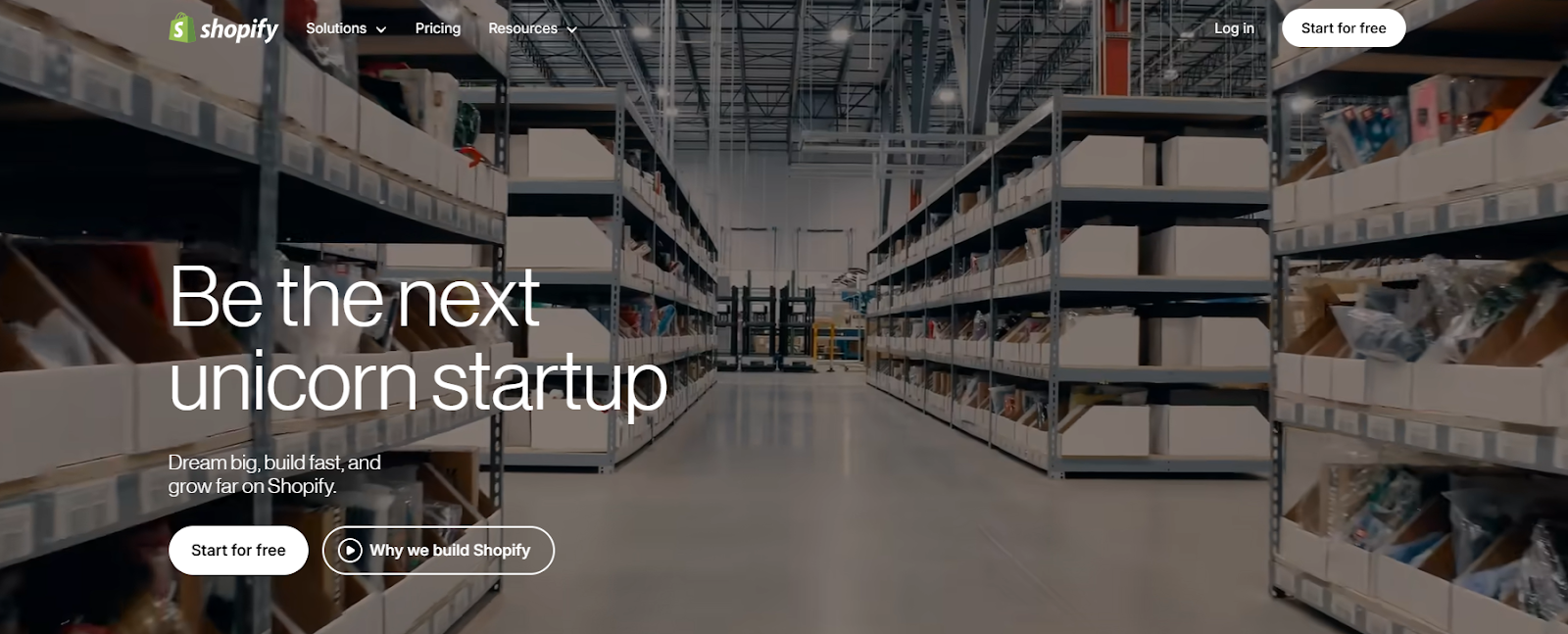
In the first 10 seconds, your landing page has one job: make the visitor feel like they’re in the right place.
A strong above the fold section should answer:
What is this offer?
Who is it for?
What outcome do I get?
Why should I trust you?
If those four answers aren’t obvious immediately, visitors bounce. And in B2B, bounces aren’t just lost leads. They’re wasted CPC, wasted email clicks, and wasted brand attention.
For marketing leaders, “clarity” is not a copywriting preference. It’s an efficiency strategy.
If you’re targeting decision makers, consider adding a subtle “executive lens” in the subheadline:
“See expected ROI in 90 days”
“Built for multi stakeholder buying”
“Designed to improve pipeline quality, not just lead volume”
The goal is not to impress everyone. It’s to resonate deeply with the right buyers.
What Offer Types Work Best For B2B Lead Generation Landing Pages?
The offer determines the quality bar. If you offer something that’s valuable to anyone, you’ll get leads from anyone.
High intent B2B offers (usually higher quality):
demo requests
pricing requests
assessments or audits
“talk to an expert” consults
product trials (if your product is easy to adopt)
Mid intent offers (balanced):
ROI calculator results
case study packs
comparison guides (“X vs Y”)
webinar registrations with a clear business outcome
Low intent offers (high volume, mixed quality):
templates and checklists
generic ebooks
broad newsletters
This doesn’t mean templates are bad. It means they need smarter qualification and smarter follow up.
Competitor gap we can own: offer-to-ICP alignment. If you want enterprise leads, your offer should feel “enterprise,” like:
security and compliance overview
integration readiness checklist
migration plan
benchmark report
business case template for internal buy-in
That’s how you turn a landing page into a pipeline tool instead of a lead collector.
Which Elements Matter Most If We Care About Lead Quality (Not Just Conversion Rate)?
If lead quality is the priority, these elements matter most:
Audience Callout
Say who it’s for. Add a line like “Built for SaaS marketing teams scaling paid acquisition” or “Designed for brand teams managing multi-channel campaigns.”
Value Proposition And Differentiation
What do you do differently, and why does it matter?
Proof That Matches Executive Decision Criteria Logos are good. Numbers and outcomes are better. Short proof statements like:
“Reduced time-to-launch by 40%”
“Increased MQL-to-SQL by 22%”
“Cut CPL by 18% while improving lead quality”
A Single Primary CTA
One goal. Repeated. No distractions.
Form Strategy That Filters Without Scaring Away Buyers
Not “short vs long.” Smart vs dumb.
This is where most competitor articles stay generic. We’re not here to win generic.
How Many CTAs Should A B2B Landing Page Have?
One primary CTA. That’s it.
You can repeat it throughout the page because people decide at different times, but the action stays the same. Multiple CTAs create decision fatigue and mixed intent.
If you need a secondary CTA, make it:
lower commitment
clearly secondary
supportive of the primary goal
Examples:
Primary: “Request A Demo”
Secondary: “See Customer Results”
This keeps the page focused, and focus is what drives conversions and quality.
Should We Remove Navigation From B2B Landing Pages?
In most campaigns, yes.
Navigation is an escape hatch. The more exits you give visitors, the more chances they take one.
The exception is high-consideration enterprise pages where buyers need reassurance around:
security
compliance
integrations
implementation process
Even then, we keep links limited and purposeful. A landing page is a guided experience, not a sitemap.
Where Should Social Proof Go To Increase Both Trust And Conversion Rate?
Social proof should show up early and close to the CTA.
We recommend a “proof ladder” approach:
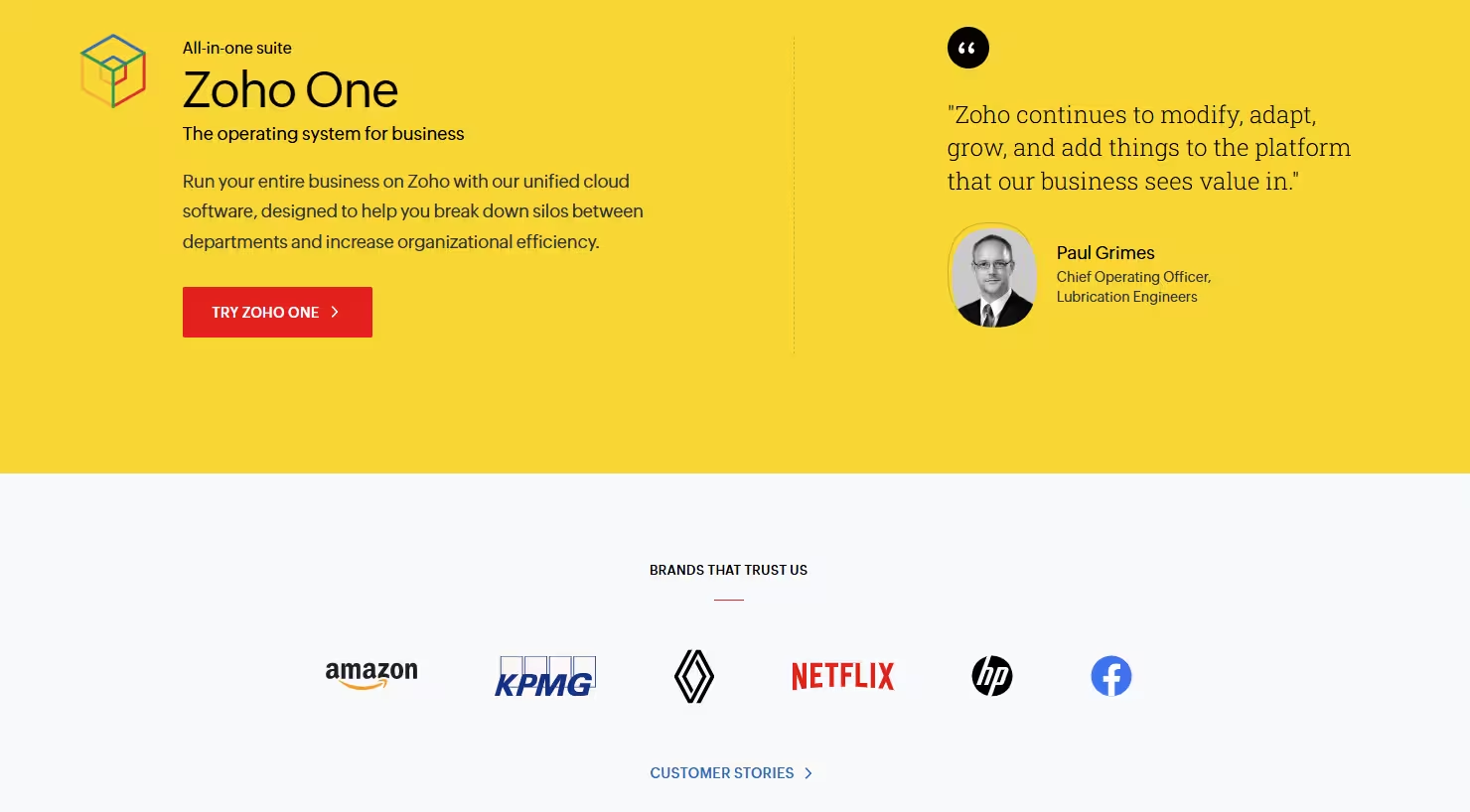
Above The Fold: Instant Trust Client logos, awards, or one strong metric.
Near The Form: Decision Support Short testimonial with name, title, and company. Bonus points if it references a result.
Below: Deeper Proof For Researchers Mini case study, results snapshot, or “how we did it” summary.
Decision makers scan for proof. Give them proof before they have to scroll into doubt.
What Kind Of Proof Increases Conversions And Lead Quality On B2B Landing Pages?
In B2B, social proof is not there to “look credible.” It’s there to help your prospect think three things fast:
this is relevant
this is low risk
this works for companies like us
The proof that tends to lift both conversion rate and lead quality usually falls into five buckets:
First, outcome proof
Numbers beat adjectives.
“Cut onboarding time by 40%” is more persuasive than “easy to use.”
Second, similarity proof
The most convincing proof often comes from companies that mirror your target accounts by industry, size, or business model.
A mid market SaaS buyer trusts a mid market SaaS example more than a random global logo with no context.
Third, role proof
Testimonials work best when the voice matches the evaluator.
If the landing page targets demand gen leaders, a quote from a Head of Demand Gen lands harder than a generic “CEO loved it” statement.
Fourth, evidence proof
Screenshots, sample deliverables, short videos, or a clear “what you get” preview reduce uncertainty.
If prospects can see the thing, they don’t have to guess.
Fifth, risk reversal proof
Anything that removes fear at the decision point: implementation timeline, what happens after the form submit, integrations list, security and compliance notes, SLAs, or a clear scope statement.
Put at least one strong proof point near every major CTA.
If the page asks for a commitment, it should pay that commitment back with reassurance.
How Do We Choose The Right Form Length Without Tanking Conversion Rate?
The “short form always wins” rule is only half true.
Short forms usually increase volume. But in B2B lead generation landing pages, volume without quality can be expensive.
A better approach is to match form length to intent:
Top of Funnel Offers
Examples: templates, guides, webinars
Keep the form short
Qualify later through enrichment and nurture
Mid Funnel Offers
Examples: case study pack, benchmark report, ROI calculator results
Add one high signal field that helps you segment and route leads
Company size is often the cleanest starting point
Bottom Funnel Offers
Examples: demo, pricing request, assessment
It’s fair to ask a bit more because the visitor is asking for something higher touch
Use fields that help sales personalize and help marketing score
As a rule of thumb, avoid collecting “nice to know” data just because it fits in a CRM Every field should earn its place by improving lead routing, lead scoring, or the sales conversation.
Which Form Fields Improve Lead Quality The Most In B2B?
If your goal is qualified leads, the best form fields are the ones that reveal fit and intent without feeling like an interrogation.
High impact fields we see work repeatedly:
Company size (ranges, not open text)
Role (dropdown, keep it simple)
Work email (business email requirement can reduce junk)
Video can work exceptionally well in B2B, especially when the product or service is complex. A 45 to 90 second explainer can reduce confusion and build confidence quickly.
But there’s a catch: never assume people will watch.
If you include video:
place it near the top only if it clarifies the offer fast
add a short text summary right below it for skimmers
avoid auto-play and heavy embeds that slow page speed
The goal is clarity, not cinematic vibes.
How Important Are Page Speed And Mobile Experience For B2B Landing Pages?
Very important, even if most conversions happen on desktop.This is also where solid Webflow development helps, because it’s easier to ship fast, lightweight pages without bloated plugins slowing everything down.
B2B buyers often discover offers on mobile, forward links internally on mobile, and revisit pages across devices. A slow page kills trust and kills conversions.
Quick wins that usually help immediately:
compress and properly size images
reduce third party scripts and tag bloat
keep above-the-fold sections lightweight
make CTA buttons and form fields easy to tap on mobile
A slow landing page doesn’t just lower conversion rate. It can also lower lead quality by biasing results toward low-friction clickers instead of serious evaluators.
If you’re rebuilding landing pages on Webflow and want organic performance baked in, our guide to 2026’s Best Webflow SEO Agencies: Insider Info will help you pick the right partner.
When Should We Use Long Form Vs Short Form B2B Landing Pages?
The right length depends on the offer, the price, and how much confidence your buyer needs.
Use shorter pages when:
intent is high (retargeting, branded search, warm email)
the offer is simple (trial, quick demo)
your brand is already trusted in the category
Use longer pages when:
traffic is cold (non-brand paid search, cold social)
the offer is complex or expensive
you’re asking for a high-commitment CTA
buyers will have objections (security, integrations, procurement)
Long pages work best when you design them like a decision path: each section answers the next question the buyer will ask.
How Do We Optimize For MQLs Instead Of Raw Conversions?
If you only optimize for conversion rate, you’ll often end up optimizing for the easiest possible “yes,” not the most valuable one.
To optimize for MQLs, treat the landing page like part of a revenue system:
track leads by source and campaign
track which leads become MQLs, SQLs, and opportunities
test changes that improve downstream rates, not just form submits
High impact tests that often improve MQL rate:
add an ICP qualifier to the hero (“Built for teams doing X at Y scale”)
upgrade the offer (ebook → benchmark report → assessment)
add one qualification field (company size, timeline)
move proof above the fold
replace vague copy with specific outcomes
Sometimes conversion rate dips slightly when you qualify harder. If MQL rate and meeting rate rise, that’s a win your CFO understands.
What Metrics Should We Track To Know If A Landing Page Is Working?
For marketing leaders, the goal is performance you can defend.
Track:
Conversion rate (are people taking the action?)
Cost per lead (are we efficient?)
MQL rate (are we attracting fit?)
Sales acceptance or meeting rate (does sales agree these are real?)
Pipeline created (does it convert to revenue?)
CAC and payback (is it sustainable?)
A landing page that “converts” but doesn’t create a pipeline is not a high performer. It’s a lead generator that makes reporting look good and revenue look sad.
What Are The Most Common Mistakes That Hurt B2B Landing Page Performance?
The usual suspects:
multiple CTAs that split attention
generic positioning that could fit any competitor
weak proof above the fold
long forms for low intent offers
short forms for high intent offers with no qualification
poor ad-to-page message match
slow load time and clunky mobile UX
optimizing for volume instead of qualified conversions
Fix clarity, proof placement, message match, and qualification first. Those changes tend to unlock the biggest gains fastest.
10 B2B Landing Page Best Practices (Quick Summary)
Lead With One Clear Outcome Above The Fold State the main benefit in plain language, so buyers immediately know what they get and why it matters.
Match The Page To The Exact Ad Or Email Promise Keep the headline, offer, and CTA consistent with the click source to reduce bounces and improve lead quality.
Call Out Who It’s For (And Who It’s Not For) Add a simple audience qualifier like industry, use case, or team size to attract the right buyers and filter out junk leads.
Use A Single Primary CTA (Then Repeat It Strategically) One main action reduces decision fatigue. Repeat the same CTA after proof and after key sections for scrollers.
Choose An Offer That Signals Real Buying Intent Demos, assessments, pricing requests, and benchmark reports typically attract higher-quality leads than generic PDFs.
Add Decision-Grade Proof Near Every CTA Use outcomes, recognizable logos, credible roles, and short case snippets to reduce risk right before the conversion moment.
Qualify With Smart Form Fields (Not A Longer Form) Add 1 to 3 high-signal fields like company size, role, and timeline, using dropdowns and ranges to keep friction low.
Reduce Form Anxiety With Microcopy And Risk Reversal Set expectations: response time, what happens next, “no spam,” and fit notes like “best for teams of 10+.”
Build For Scanning With A Simple Page Structure Use short sections, bullets, and clear headings so busy buyers can find answers fast without reading everything.
Measure Quality, Not Just Conversion Rate Track MQL rate, meeting rate, and pipeline created by page and campaign, then optimize based on what turns into revenue.
How Can Creative Corner Help You Turn Landing Page Traffic Into Qualified Leads?
We’re a Webflow agency that builds B2B landing pages designed to do more than chase conversion rate. We create pages that attract the right buyers, filter out the wrong ones, and turn traffic into qualified leads your sales team actually wants.
If you want landing pages that look premium, read clearly, and perform like a pipeline asset, we’ve got you.
Turn Paid Traffic Into Sales-Approved Leads
We’ll build a page designed around ICP fit, clear positioning, and decision-grade proof that drives qualified submissions.
What Makes A B2B Landing Page Convert Visitors Into Qualified Leads?
Qualified conversions happen when the landing page is clear about who it’s for, offers a next step that matches buyer intent, and backs claims with proof that reduces risk. The form should qualify without overwhelming, using one or two high-signal fields like company size or timeline. The best pages also align to downstream metrics like MQL rate and meeting rate, not just raw conversion rate.
How Do B2B Landing Pages Differ From B2C Landing Pages?
B2C pages typically target immediate purchases with one decision maker and lower perceived risk. B2B landing pages usually initiate a longer buying journey involving multiple stakeholders and higher risk, so they need stronger proof, clearer differentiation, and objection handling around implementation, integrations, and security. CTAs are also different: demo, pricing request, assessment, or consultation instead of “buy now.”
Which Elements Are Most Important For Lead Quality, Not Just Volume?
The biggest drivers of lead quality are fit-focused messaging, an offer aligned to your ICP, proof that matches buyer decision criteria, and a form strategy that filters without killing conversions. Audience callouts and similarity proof reduce junk leads, while outcome-based proof increases confidence for high-fit buyers.
How Can I Optimize Landing Pages For MQLs Instead Of Raw Conversions?
Start by tracking which landing page leads become MQLs, SQLs, meetings, and opportunities. Then test changes designed to improve fit and intent: add ICP qualifiers, upgrade the offer to something higher intent, add one high signal form field, and move proof closer to the CTA. A small drop in conversion rate can still be a win if MQL rate and meeting rate rise.
What Are The Most Common Mistakes That Hurt B2B Landing Page Performance?
Common mistakes include generic messaging, competing CTAs, weak proof above the fold, mismatched ad and landing page promises, slow page speed, and forms that either ask too much too early or ask too little when intent is high. The biggest strategic mistake is optimizing for form fills instead of qualified conversions that translate into pipeline.