
How AEO differs from SEO
SEO optimises for a crawler that ranks pages. AEO optimises for a model that reads pages, decides which passage answers a question, and attributes it. The same page can rank well and never be cited, because its answer is spread across five paragraphs instead of stated in one.
The two are not alternatives. AEO builds on a technically sound, crawlable site. It is a layer, not a replacement.
| SEO | AEO | GEO | |
|---|---|---|---|
| Goal | Rank in a list of links | Be the extracted answer | Be a cited source in a generated answer |
| Optimises for | Crawlers ranking pages | Answer boxes and assistants | Generative systems composing answers |
| Main lever | Links and on-page relevance | Passage structure and schema | Authority and third-party mentions |
| Key metric | Position and clicks | Answer inclusion | Citation share |
What AEO work actually involves
- Question-and-answer blocks that state the answer in the first sentence
- Schema markup so entities, services, and FAQs are machine-readable
- Entity statements that say plainly what your company is and does
- Passage-level structure, so a section can be lifted without losing its meaning
- Crawler access for GPTBot, ClaudeBot, and PerplexityBot
How you measure it
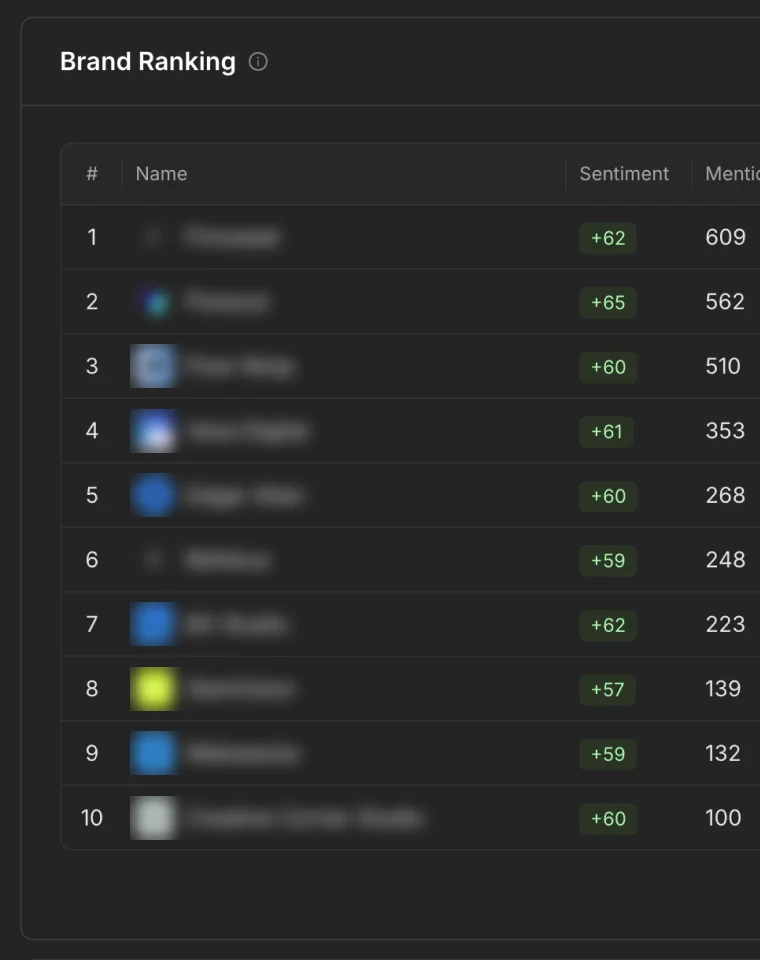
Rankings and clicks do not capture it. What matters is citation share across a tracked prompt set, brand mentions in generated answers, and referral sessions from AI assistants, which analytics tools still misfile as direct traffic.
Why it matters for B2B marketing teams
Your buyers now shortlist before they visit. Forrester found in January 2026 that 94% of business buyers use generative AI somewhere in the purchase process, and 55% compare vendors inside those tools. If the assistant cannot extract a clean answer from your site, you are absent from the shortlist it produces.